Mitr Phol Group Sustainability

Edit Template

Key Stakeholders: Shareholders, Suppliers, Customers and Consumers, Government and Civil Society Sectors

Mitr Phol recognizes that high-quality and environmentally responsible packaging plays a vital role in ensuring product quality while minimizing environmental impacts. Effective packaging helps protect sugar from contamination and damage during transportation and storage, reinforcing customer confidence and trust. The Company is committed to using packaging that supports consumer convenience and safety, while facilitating proper sorting, recycling, and disposal at end of life. This approach helps reduce waste sent to landfill and promotes more efficient use of natural resources. To advance circular packaging practices, Mitr Phol has set a target for 100% of its sugar packaging to be reusable, recyclable, or compostable by 2030.

2025 Target and Performance

Indicators
Target
Performance
Packaging is made from reusable, recyclable, and compostable materials.
95% of total packaging

Management Approach

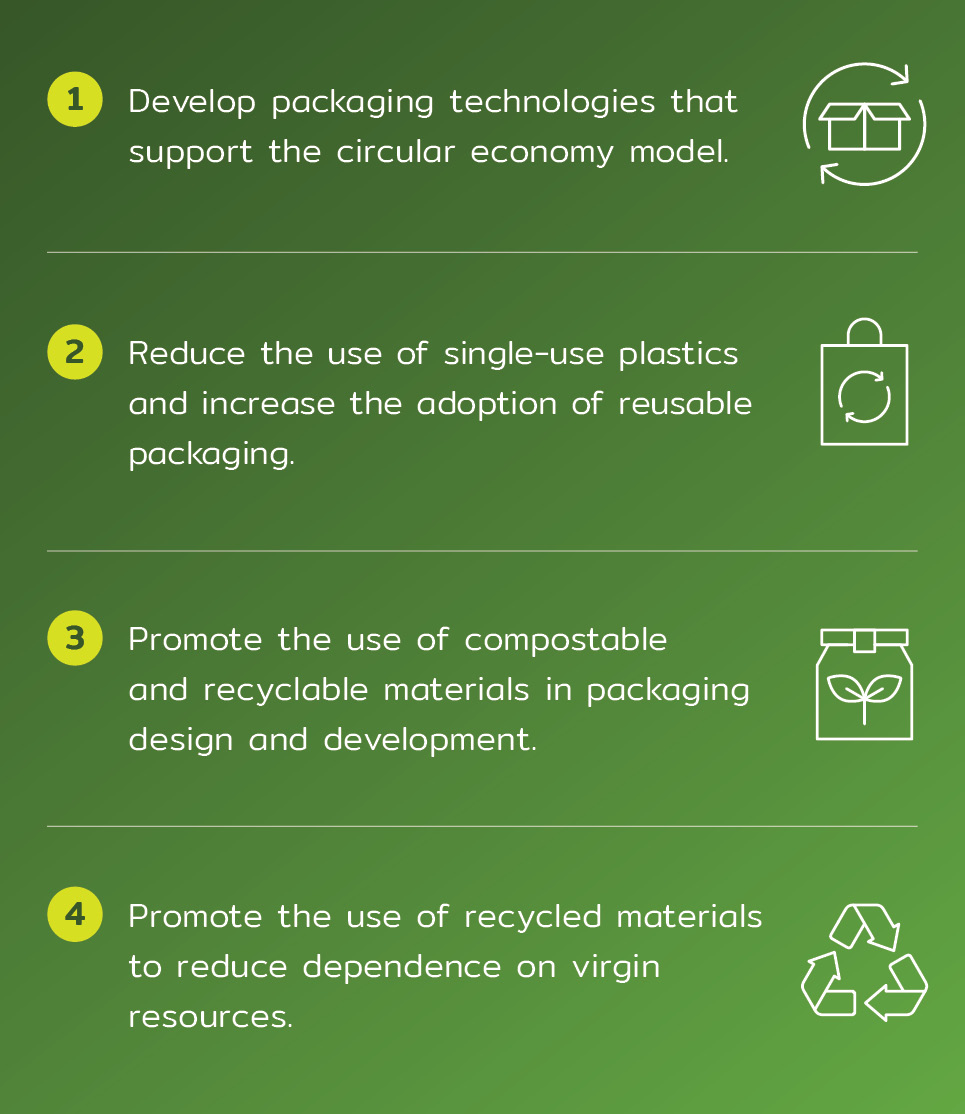
Mitr Phol is committed to minimizing the environmental impacts of packaging throughout its life cycle through effective management and innovation, while meeting the diverse needs of customers and consumers. The Company has established a packaging policy focused on four key areas.

Promoting the use of Compostable or Recyclable Packaging

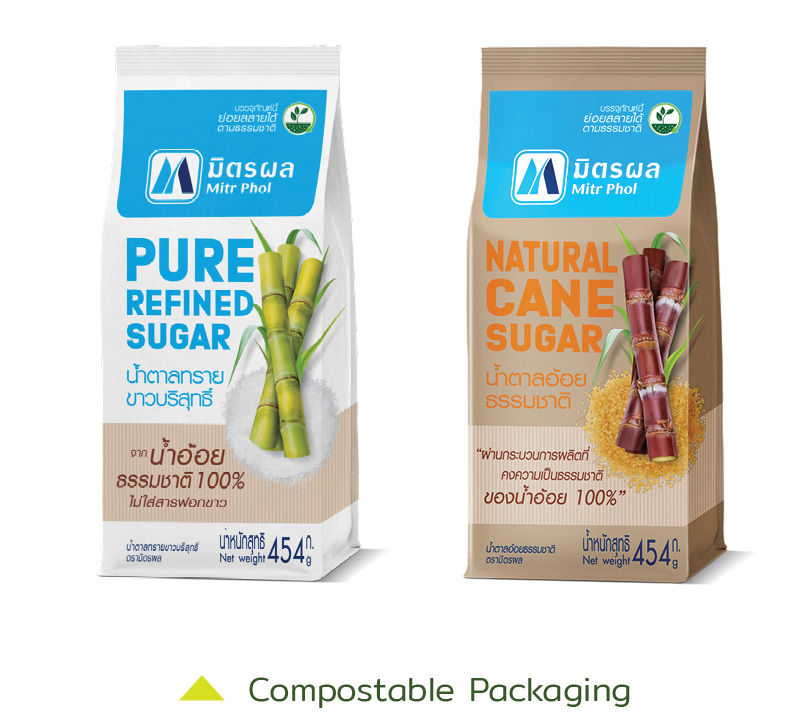
Mitr Phol has developed naturally compostable packaging, initially introduced for its natural cane sugar products. The outer layer is made of kraft paper while the inner layer is made from plant-based bioplastics. These bioplastics protect the product from moisture and naturally degrade after disposal.

In 2025, the Company used approximately 0.10 tons
of compostable packaging materials. 
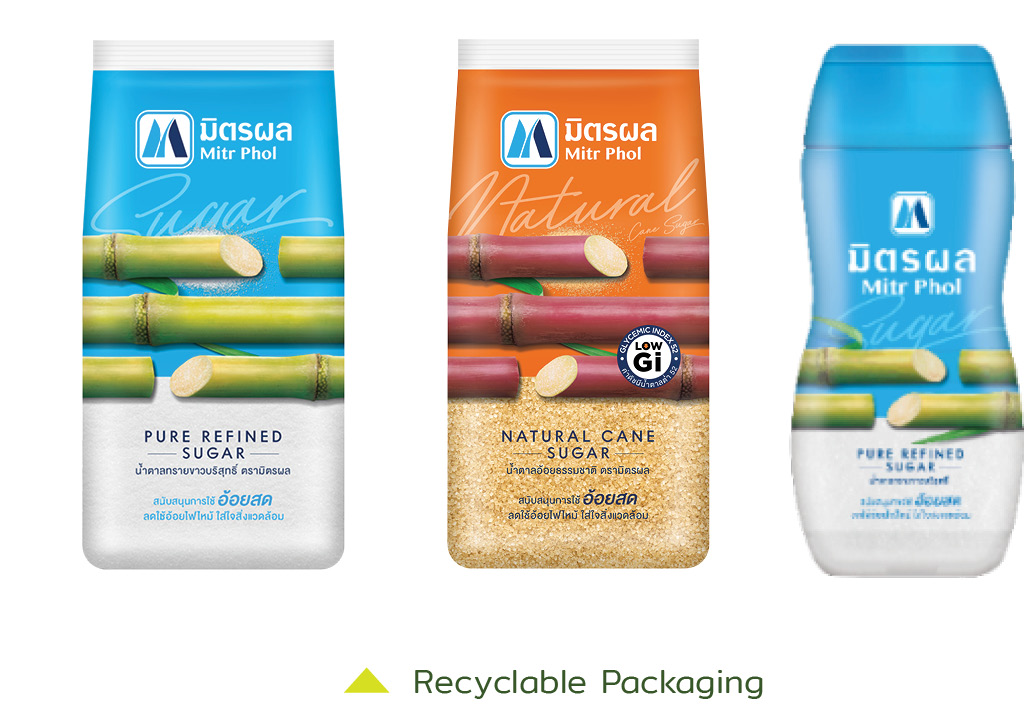
Mitr Phol has designed its sugar packaging to be monomaterial
to make discarded packaging easier to recycle as well as to encourage on phasing out single-use plastic. In 2025, the Company used approximately 7,350 tons of recyclable packaging materials.
Promoting the use of rPE
in the production of outer packaging

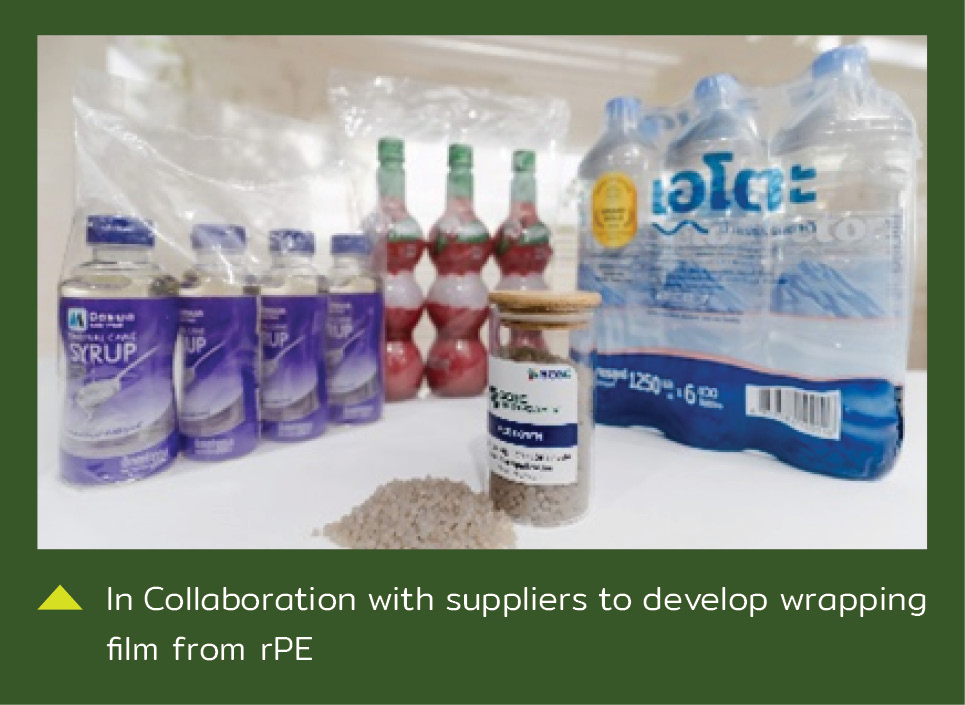
Mitr Phol has introduced recycled polyethylene (rPE) in the production of outer packaging bags for non-food-contact applications, blended with virgin plastic to reduce petroleum-based plastic use, minimize plastic waste, and lower greenhouse gas emissions. The Company is collaborating with SCG Chemicals Public Company Limited (SCGC) under the Packaging Circularity Collaboration project to study and produce PCR (Post-Consumer Recycled) plastic pellets from post-use plastics collected within Mitr Phol sugar mills, for use in manufacturing product wrapping film.

In 2025, Mitr Phol used approximately 11 tons of PCR Resin.
Promoting the Reduction of PETE Packaging Use

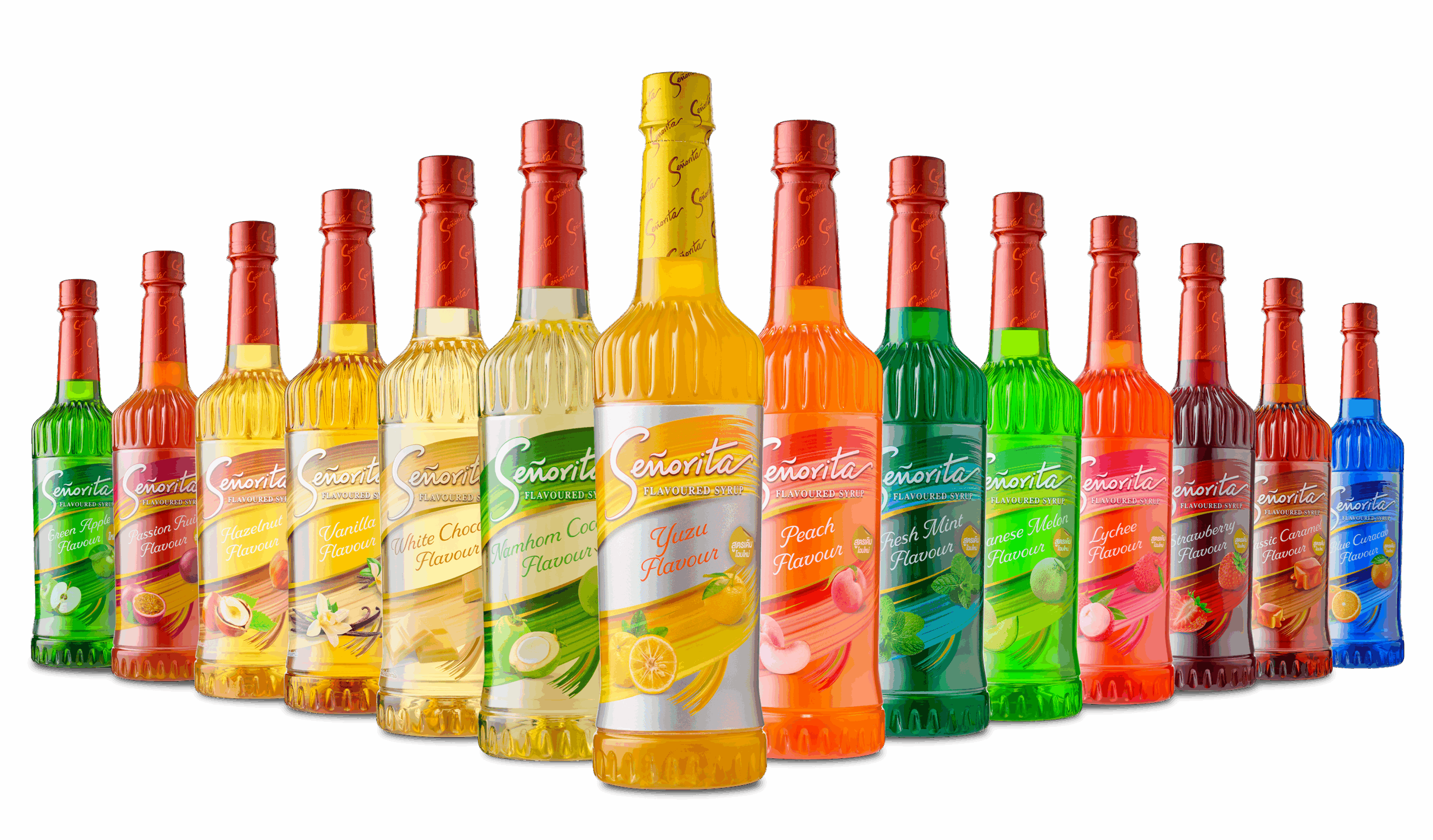
Mitr Phol promotes the reduction of single-use polyethylene terephthalate (PET) plastic in syrup product packaging. In 2025, the initiative resulted in a reduction of 4 tons of PET plastic use.
Improving material efficiency in carton packaging

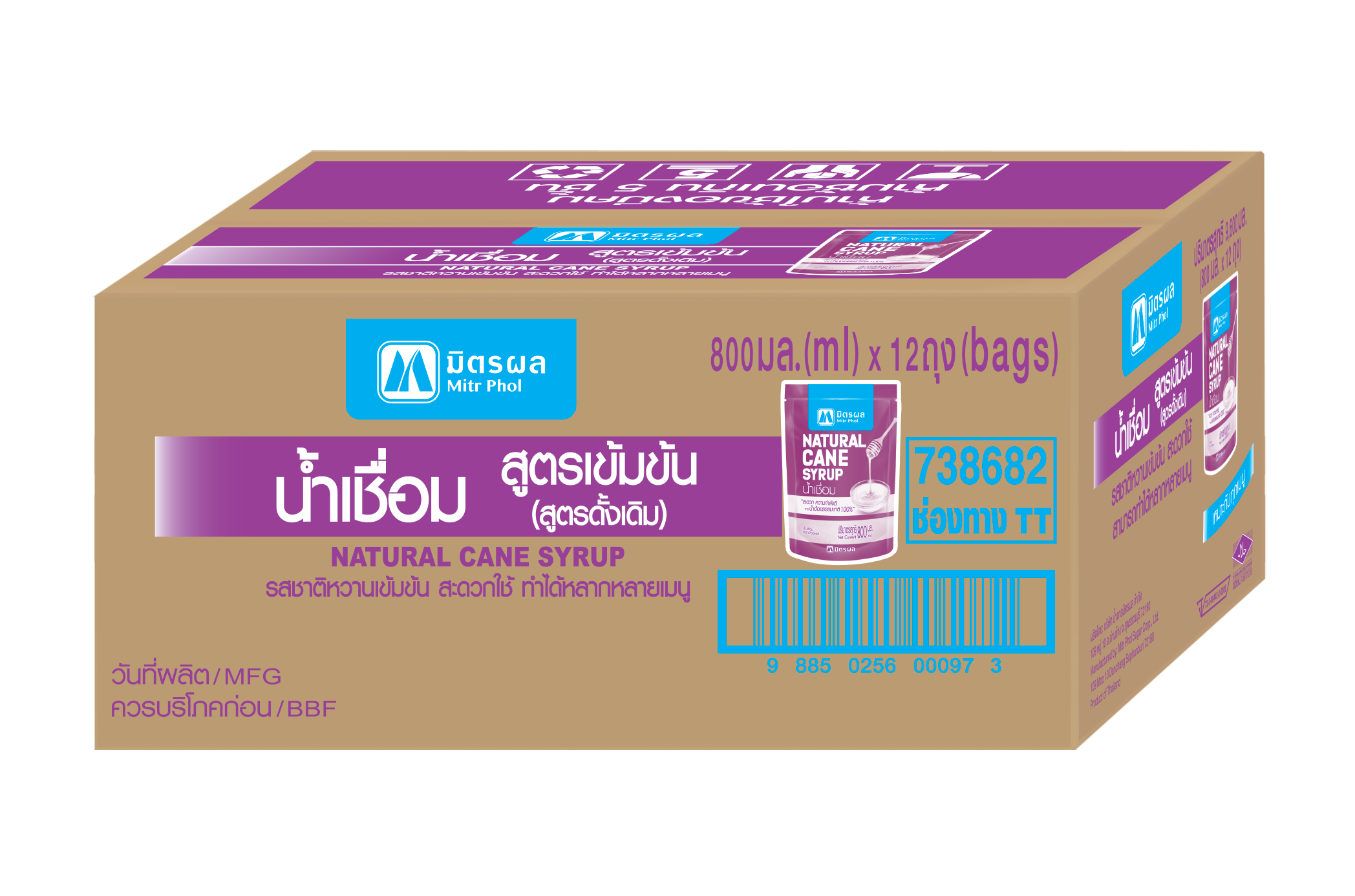
Mitr Phol incorporates up to 94% recycled paper in the production of its corrugated carton packaging. The Company also optimizes paper pulp formulations and production processes to reduce paper use and packaging weight while maintaining carton strength. In 2025, Mitr Phol used approximately 1,784 tons of recycled paper and reduced paper use by 102 tons.
Collaboration to drive and promote sustainable packaging management

Mitr Phol Group recognizes that achieving its sustainability targets requires strong collaboration across the supply chain. This has led to the development of cross-sector partnership projects aimed at advancing sustainable packaging, including:

The Reused Program for PP Bag Project

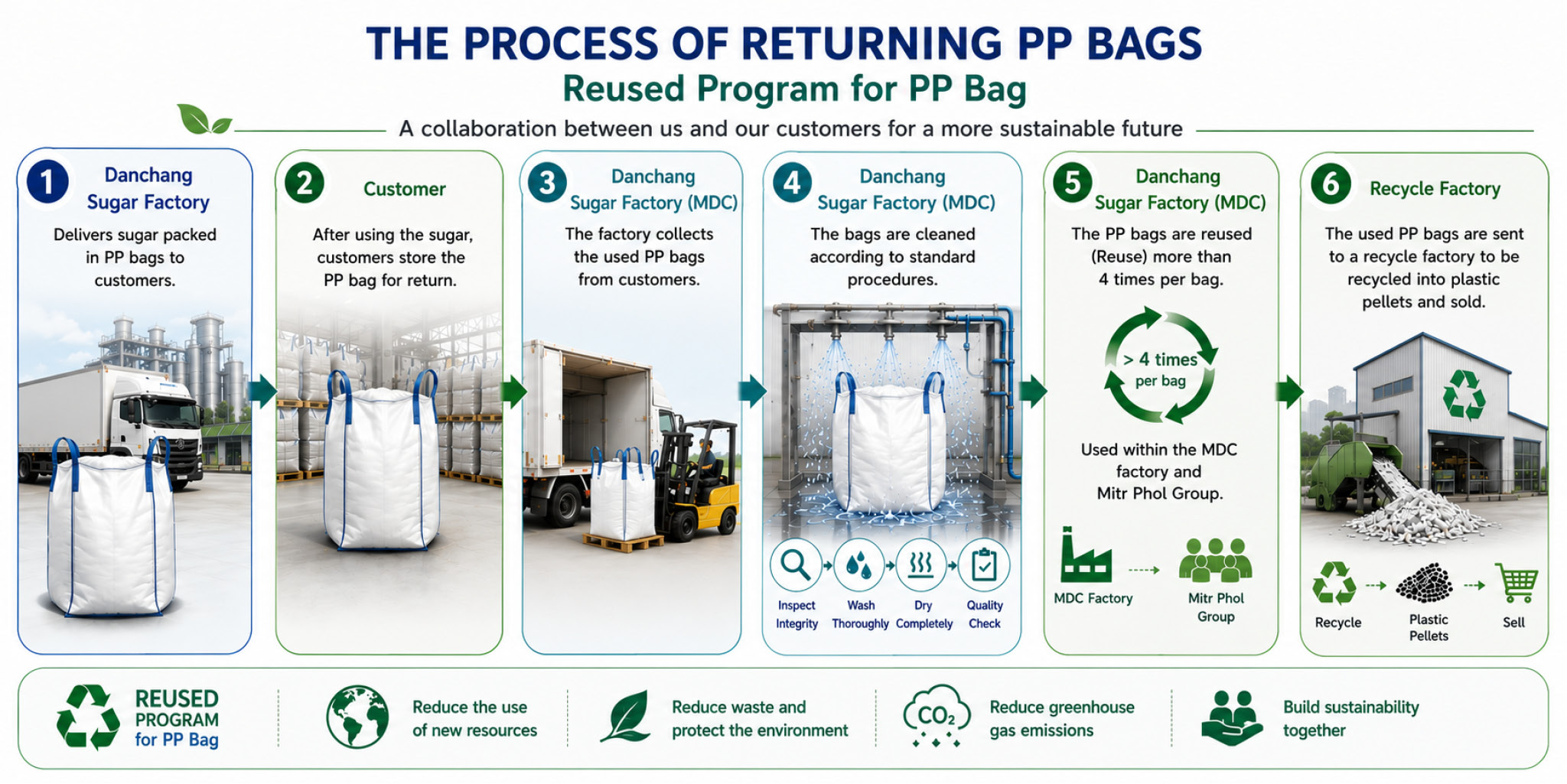
Mitr Phol Suphan Buri Sugar Mill implements the PP Bag Reuse Program in collaboration with customers to collect and reuse polypropylene (PP) bags for non-food-contact packaging applications, thereby reducing the demand for new plastic bags. In 2025, the program enabled the reuse of PP bags, avoiding the use of more than 48.6 tonnes of virgin plastic.

  • Promoting the use of tank car for sugar and syrup transportation helps reduce reliance on single-use plastic packaging. In 2025, more than 181,800 tonnes of syrup and 34,700 tonnes of sugar were delivered to customers via tank trucks, avoiding the use of approximately 585 tonnes of PP plastic bags.
  • Expanding the Closed-loop Recycling Model to increase material recycling back into the production process, reduce costs, and minimize waste sent to landfill through collaboration across the value chain. Building on the success of the Packaging Circularity Collaboration project, the Company plans to extend this approach to additional facilities and waste streams in the future.
  • Collaborating with the Faculty of Agro-Industry, Kasetsart University to advance research and academic partnerships on sustainable packaging solutions. The collaboration focuses on redesigning packaging structures and increasing the use of recyclable materials to promote resource efficiency and reduce environmental impacts.

Related Policy and Statements

Packaging Policy